
I Shouldn’t Have Read Dostoevsky at Fourteen
A boarding-school winter, The Brothers Karamazov, and the age when books begin to take root in you.

There is a special kind of loneliness that seeps in cold through the mattress, straight into the spine, when you are alone in a boarding school dorm. The walls never breathe, the radiator hisses too quietly, and outside, the snow is falling so soft yet so insistent that it almost feels personal. At fourteen, I was already the kind of child who arranged her sadness alphabetically on the bookshelf. And when you already have an affinity for literature—when you are already slightly miserable—Dostoevsky has a certain pull. He stares down from the shelf like a dare. Compared to him, the Brontës felt like gossip, Austen like embroidery.
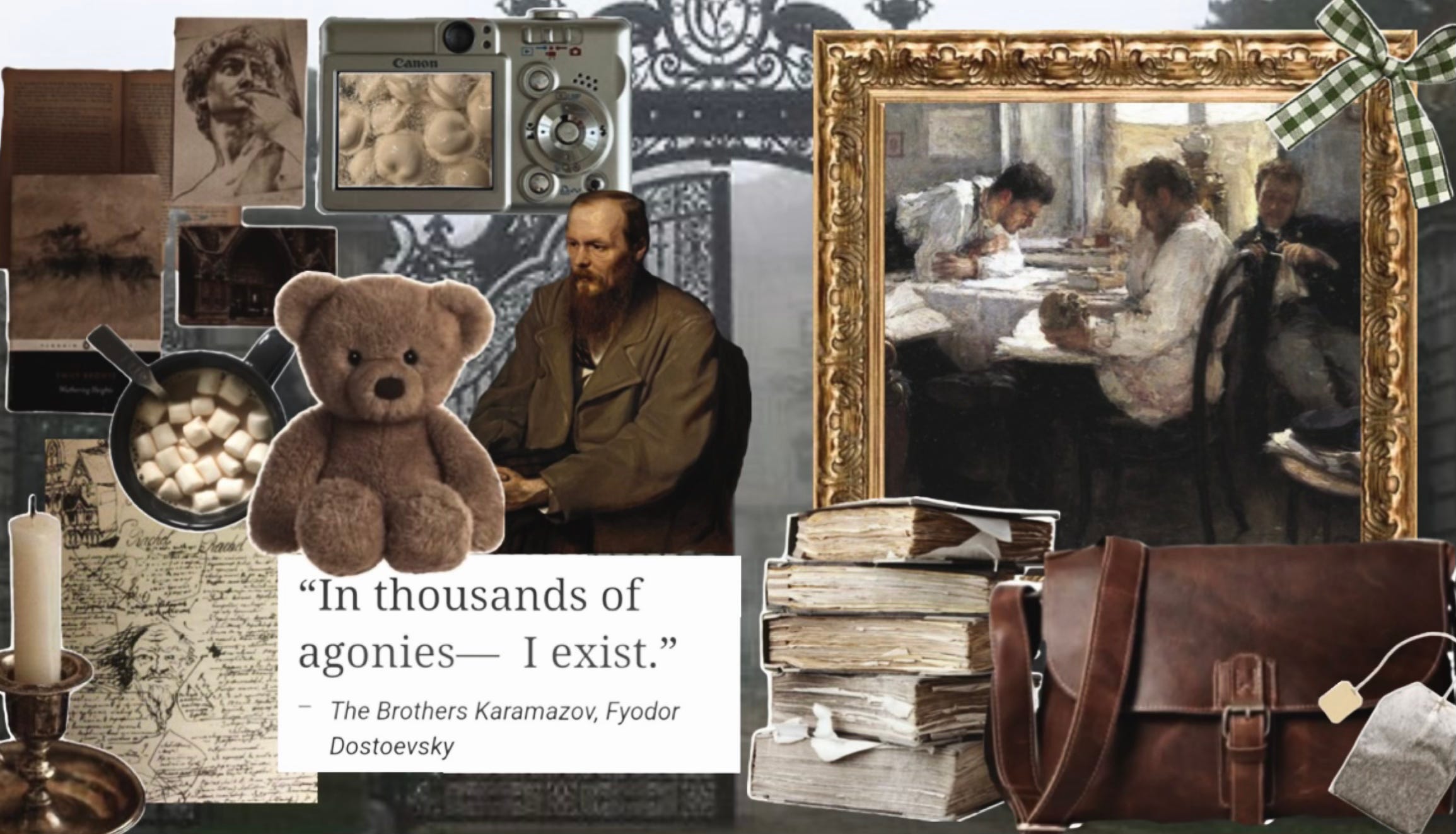
By then, it wasn’t my first premature descent. In fourth grade, I had already been dragged through The Odyssey, forced to trace shipwrecks and homecomings before I’d learned long division. Adventure, exile, gods with their pettiness; all of it too large for a child, and yet it stayed lodged somewhere, heavy and half-comprehended.
So I picked him up, because what else do you do when you are young, cold, and convinced your heart is much darker than it really is?
The book that found its way into my hands was The Brothers Karamazov. Maybe I chose it for its sheer bulk, the way it seemed to dare me to endure it. Yet it wasn’t the language that daunted me; my school had already marched us through difficult texts too young, so the challenge lay elsewhere. The weight of the book wasn’t in its syntax but in its gravity, the way every page seemed to ask questions I wasn’t prepared to answer. It felt less like reading and more like submitting to a trial.
The names, which confuse most readers when it comes to Russian literature, came easily. I was already used to multiplicity: a roommate who called me Malushka and Malyunya more than my actual name, who made pelmeni in the kettle every night until the dorm smelled like boiled dough and onions. Against that backdrop, Alyosha and Ivan and Dmitri felt almost domestic.
When I first started reading the book, I couldn’t decide if I wanted to marry Alyosha or be him. He was unbearably good, almost translucent, as if the snow outside had stepped into the pages and taken human form. His greatness was not in triumph but in softness, in the way he endured every storm with eyes that never hardened, even when the world pressed in. At fourteen, that kind of goodness felt impossible and therefore magnetic.
But as the book progressed, and the snow kept falling, I slipped deeper into Dostoevsky’s grip. The pages stopped being a story and started to feel like a fever. Ivan’s spirals echoed the insomnia that clung to the dorm at night; Dmitri’s desperate hungers seemed to rattle in the pipes. Even Alyosha’s light began to feel less like salvation and more like a mirror, reminding me how far I was from it. Dostoevsky doesn’t simply write characters; he sets them loose in your bloodstream until you can’t tell if you’re reading a novel or developing a new illness.
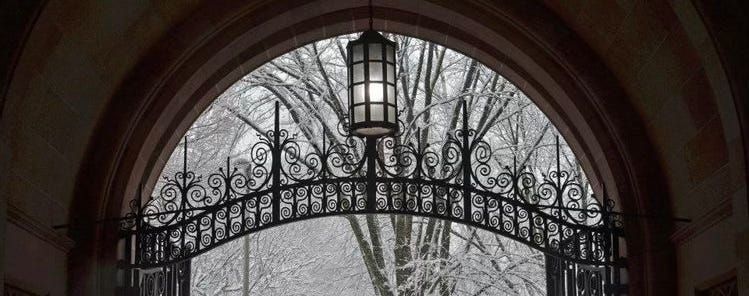
That whole term felt like a dream, though I’m not sure if it was a good or a bad one. The studying was relentless, the nights stretched longer than they should have, and the cafeteria food carried the dull inevitability of punishment. Even the cold seemed complicit, creeping through the windows as if to remind us that comfort was a foreign word. It was fitting, in its way. The misery of adolescence had found its perfect backdrop: Dostoevsky on the nightstand, midterms on the horizon, snow piling up outside like a second silence.
There were moments I almost enjoyed it, the way people sometimes enjoy pressing a bruise. To be fourteen and convinced the world was vast and cruel, and to have a Russian novelist confirm it on every page, was a strange kind of comfort.
When exams ended, I finished the book, and as the first flowers pushed through the winter snow, it felt like breaking the surface of water, lungs burning, dragging in sharp air after holding my breath too long. The fever broke with the season. The dorm no longer felt like a cell, the kettle stopped hissing confessions, and Dostoevsky’s voices quieted to a murmur in the back of my mind.
But something lodged there, like a shard you don’t notice until years later. I was too young for the weight of patricide, poverty, endless spirals of guilt, and yet I carried them as if they belonged to me. Fourteen was the wrong age for Dostoevsky, and perhaps the only right one. The Brothers Karamazov has never left; it has followed me into every season, folded into the way I read, think, and love.
aside from agreeing wholly with your opinion on dostoevsky (he has a way of leeching your actual soul that i haven't seen in any other author), your own writing is so gorgeous. the way your words flow kept me hooked to the very end!!
"I wanted....Dostoyevsky."
-June Miller to her husband, Henry [according to Philip Kaufman].